Unique Yard Plans for Northwest Yards
Crafting a vibrant garden in Bellevue WA means working wisely with the unique conditions of USDA hardiness zone 8 and the Pacific Northwest’s temperate climate. From mapping edible garden layouts to selecting resilient plants Washington thrives, every choice impacts your landscape’s beauty.
- Add raised garden beds for eco-friendly landscaping
- Collaborate with a landscape architect Bellevue or King County Master Gardeners for expert garden design ideas
- Design irrigation system design and mulching services to support water conservation landscaping
Whether you're pursuing organic gardening, building outdoor living spaces, or scheduling a garden renovation, local garden maintenance services and soil amendment can revitalize your Bellevue WA landscaping vision into reality.
Navigating the Regional Environment and Land Base
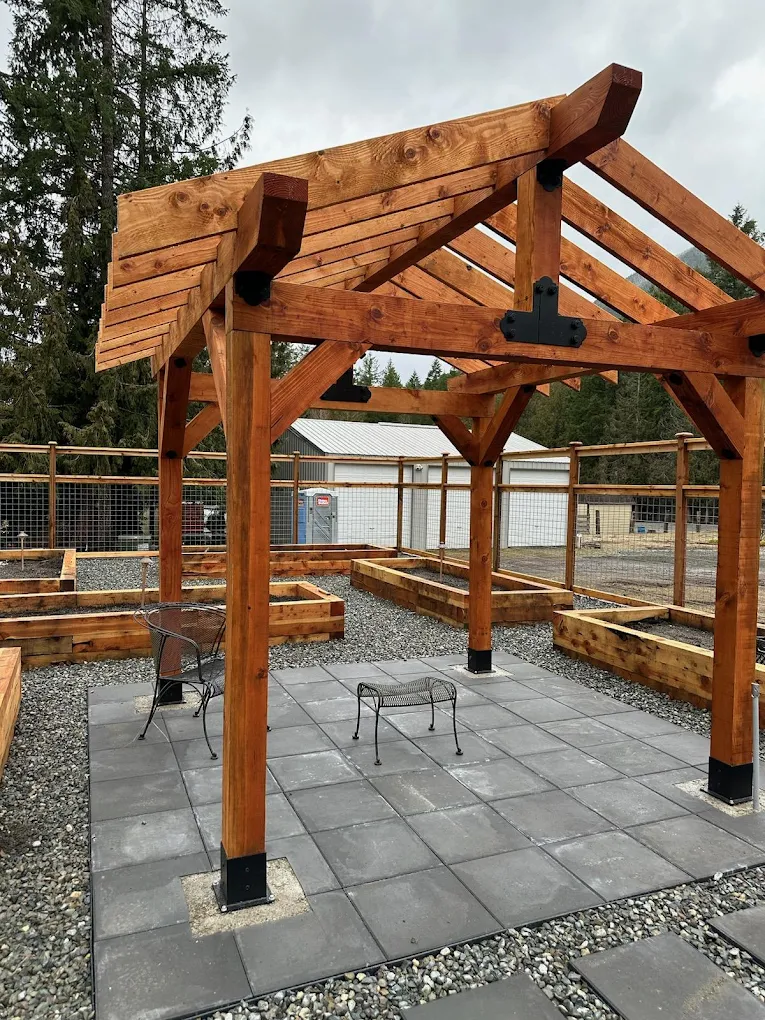
Northwest Planting Zones
Bellevue sits firmly within coastal zone 8, suggesting that winter lows rarely dip below 10°F, supporting a wide range of returning plants to thrive. Gardeners in Bellevue can explore with both tender exotics and resilient natives year after year. Working with a local design expert ensures your outdoor project aligns with regional climate realities.
Earth Evaluation for Gardens
Scientific dirt analysis is the critical step in any efficient garden design in Bellevue WA landscaping. Most local soils are poorly draining, demanding targeted earth conditioning to enhance root growth. Local plant nurseries Bellevue offer affordable testing kits or services. Based on results, you can improve texture for peak plant growth.
- Amend soil with well-rotted manure from trusted sources
- Test every 2–3 years to track fertility trends

Microclimates in Northwest Yards
Even within a single plot, sun exposure pockets can change drastically due to buildings, elevation, and sun exposure. A north-facing nook may behave like zone 7, while a warm wall creates zone 9 micro-environments. Strategic garden design ideas capitalizes on these zones for diverse planting options. Noticing where frost lingers or heat collects helps improve your perennial garden beds.
Best Plants for Wet Soil
With Bellevue’s rainy winters, selecting plants that thrive in wet soil is smart for long-term landscaping. Bioswales are effective solutions that also support water conservation landscaping. Indigenous plants like red twig dogwood, western sword fern, and Joe-Pye weed excel in these conditions. Combining them with irrigation adjustments prevents root rot and boosts plant lifespan.
- Create a water feature using wet-tolerant species
- Correct poor drainage with grading work from a certified arborist
Yard Architecture Support for WA Homes
Custom Yard Layouts
Expert yard stylist can transform your space with made-to-order 3D models. These comprehensive plans include planting layouts and material lists. Whether starting from scratch or undergoing a landscape overhaul, a intelligent design prevents costly mistakes. Collaborate with a local firm to integrate your vision with budget.
- Review a professional plan with plant list
- Include outdoor kitchens based on your tastes
Eco-Friendly Garden Designers
Selecting a sustainable design professional ensures your project supports long-term outcomes. These experts specialize in native plant integration and carbon-sequestering designs. They often collaborate with mulching services to source ethical materials. Starting with compost systems, every element minimizes environmental burden.
Limited Space Outdoor Plans
For tight yards, smart garden layout is vital. Maximize vertical space with raised garden beds and integrate ornamental plants in modular boxes. Stepping stones should be multi-functional to preserve planting area. A creative garden designer can design hidden potential in even the tiniest patio.
- Incorporate wall-mounted pots for drama
- Select multi-purpose features like hidden planters
Backyard Experience Harmony
Today’s northwest yards go beyond greenery—they’re functional entertainment zones. Natural integration between house and yard involves patios and landscape lighting. A well-designed space supports daily use, whether for entertaining. Merge these elements with perennial garden beds to unify beauty.
Local and Drought-Tolerant Greenery for Local Properties
Best Native Plants for Bellevue
Using Pacific Northwest native species is a sustainable move for any Bellevue garden. These perennials are suited to rain patterns, requiring minimal pruning. Popular choices include salal, Oregon grape, red flowering currant, and camas—each sheltering native pollinators. Work with King County Master Gardeners to source authentic, non-invasive stock.
- Swap invasive species with low-care shrubs
- Design a ecologically balanced garden using native plants Washington
Low-Maintenance Outdoor Establishment
Over-scheduled homeowners love self-sufficient gardens that stay lush with little effort. Plant long-blooming species and cluster plants by sun needs to cut care. Weed barriers noticeably reduce fertilizing. Pair these with native plantings for a sustainable yard.
Wildlife-Supporting Garden Designs
Supporting declining pollinator populations starts in your own yard. Build your garden with a continuous bloom sequence using native plants Washington. Eliminate pesticides and plant host plants like milkweed and yarrow. Improve habitat with garden art and decor—small touches that provide a measurable ecological contribution.
- Add a blend of seasonal plants to support diverse pollinators
- Preserve some dead stems over winter for nesting sites
Efficient Yard Strategies
Even in rainy Bellevue, modern water conservation landscaping is essential. Design an smart controller to target water only where needed. Select mediterranean species that establish with infrequent summer watering. Merge this with rain barrels for a resilient landscape that endures through dry spells.
Seasonal Outdoor Organization in Bellevue WA
Spring Planting Calendar for Bellevue Gardens
Kickstarting your yard in Pacific Northwest means matching your planting with USDA hardiness zone 8. Early-blooming crops like lettuce thrive when established in mid-spring, while raised garden beds benefit from nutrient boosting before click now positioning pollinator-friendly flora.
- Kick off seeds indoors 6–8 weeks before last frost
- Add drip lines early for eco-friendly gardening
- Consult local plant nurseries Bellevue for regionally adapted stock
Seasonal Transition and Earth Prep
When summer fades, thoughtful seasonal shift sets the stage for upcoming harvest. Pull up wilted plants to reduce pests, and add compost to insulate soil. This is also the perfect window to plant spring-blooming perennials and upgrade drainage solutions if needed.
Cold-Resilient Plant Choices
Through Bellevue’s coolest months, your landscape can maintain structure with intentionally chosen species. Evergreen shrubs like kinnikinnick offer continuous textural value, while early-flowering types such as winter jasmine inject unexpected vibrancy. Pairing these with sustainable landscaping ensures resilience through wet winters.
Ongoing Appeal Designs
Designing a outdoor space that delights in each seasons requires layering structural forms. Integrate fall-interest perennials to ensure constant visual impact. Feature evergreen foliage for cold-month appeal, and enrich with landscape lighting for added character.
- Plant witch hazel for winter blooms
- Opt for shrubs with textured stems
- Arrange plants by height and bloom cycle for seamless transitions
Built Elements and Functional Details
Decks and Walkway Styling
Designing entertaining areas and stone trails transforms your property into a inviting extension of your home. Use materials like flagstone to match the regional aesthetic while ensuring durability. Meandering paths lead exploration, while properly graded surfaces handle Bellevue’s moist climate with ease.
- Incorporate crushed stone for eco-friendly landscaping
- Design paths at least 3–4 feet wide for comfortable walkability
Outdoor Illumination Installation
Thoughtful landscape lighting extends the functionality of your property far beyond daylight. Position spotlights to emphasize water elements, while providing safety. Opt for motion-activated options to align with water conservation landscaping principles.
Rain Gardens and Aquatic Elements
Creating a pond brings sound to your yard. Choose a bubbling fountain that complements your current style. Stormwater gardens not only attract pollinators but also manage runoff using perennial garden beds—an ideal fit for sustainable gardening.
Elevated Structures and Sloped Design
Across challenging yards, retaining walls provide functionality. Construct them using recycled materials to control soil loss while defining edible garden design. Stepping also enhances irrigation system design, especially in areas prone to water pooling.
- Use French drains behind walls for long-term stability
- Establish native species along edges to further anchor soil
Professional Landscapers and Investment in Bellevue WA
Typical Garden Design Investment
Understanding the typical rates for custom layouts helps you plan resources effectively. In Puget Sound region, comprehensive concept layouts from a certified designer can range from $6,000+ , depending on features. Full-service projects including lighting often start around $25,000, especially with professional grading.
Bonded Outdoor Builders in WA
Working with a reputable outdoor builder in Bellevue protects your vision. Confirm they hold an active liability insurance and have a track record with native plants Washington. Seek out firms that collaborate with a landscape architect Bellevue for integrated results.
- Request for portfolios showcasing Pacific Northwest native species
- Read reviews on King County Master Gardeners referrals before committing
No-Obligation Concept Meetings
Many Bellevue WA landscaping firms offer complimentary site evaluations to explore your vision. Seize this opening to ask questions about garden maintenance services. Share photos, sketches, and a list of budget limits to make the most of your session.
Project Duration Expectations
Realistic schedules are essential for smoothing your landscape build. Minor projects like new beds may take under 14 days, while multi-phase overhauls with drainage solutions can span several seasons. Factor in time for weather delays—especially in Bellevue’s rainy climate.
- Design phase: 2–6 weeks
- Grading: 4–10 weeks
- Finishing touches: 2–4 weeks
Frequently Asked Questions Related to Garden design and planting in Bellevue WA
What's the best outdoor layouts ideal for Bellevue WA homes
Designing a beautiful garden in Bellevue WA starts with considering the local climate, soil, and topography. Blend elements like perennial garden beds to boost both seasonal interest and practicality. Working with a certified outdoor planner can help elevate your vision using proven Pacific Northwest native species.
Innovations such as landscape lighting add ambiance while improving use. Include container gardening to support low-maintenance appeal in Pacific Northwest climates.
What’s the best way to select greenery that survive in Western WA
Focus on Pacific Northwest native species that naturally handle the region’s cool, wet winters. Varieties such as red-flowering currant, sword fern, and western columbine demand reduced watering and ward off pests, making them ideal for eco-friendly landscaping. Connect with certified arborist-recommended suppliers to find pest-resistant stock.
Pair your native selections with professional grading to increase root development and plant vitality. Avoid invasive exotics in favor of climate-smart flora that support local wildlife.
Which are sustainable landscaping options for busy residents
Opt for eco-friendly landscaping that minimize the need for daily upkeep. Incorporate container gardening to suppress weeds. Upgrades like edible garden design can enhance usability without demanding extra labor.
Numerous professional landscaping companies offer organic gardening programs to keep your space tidy year-round. Explore a full landscape redesign with a focus on professional grading to reduce effort.
Is it possible to create food-producing plots in my Bellevue yard
Plan around container gardening that optimizes sunlight and drainage capacity. Cultivate herbs like kale, thyme, strawberries, and rhubarb—plants that thrive in USDA hardiness zone 8. Mix your food garden with garden art and decor for a functional look.
Enhance growth with irrigation system design to condition your soil naturally. Partner with a local horticulturist to plan an food-producing yard that’s both bountiful and aesthetically pleasing.
Why consider landscape planning in Bellevue garden projects
Precision land contouring is critical in Bellevue due to the region’s sloped properties, which can lead to water damage. Installing proper rain garden installation helps manage excess water and safeguard the life of your structures. In the absence of this step, even the best irrigation system design may decline.
Collaborate with a certified arborist to analyze your site’s drainage needs. Options including rain garden installation can stabilize problem areas into sustainable parts of your outdoor living spaces plan.